
How to Choose a Safe and Licensed Bitcoin Casino in Canada 2026: A Player's Guide to Secure Crypto Gambling
How to Choose a Safe and Licensed Bitcoin Casino in Canada 2026: A Player's Guide to Secure Crypto Gambling
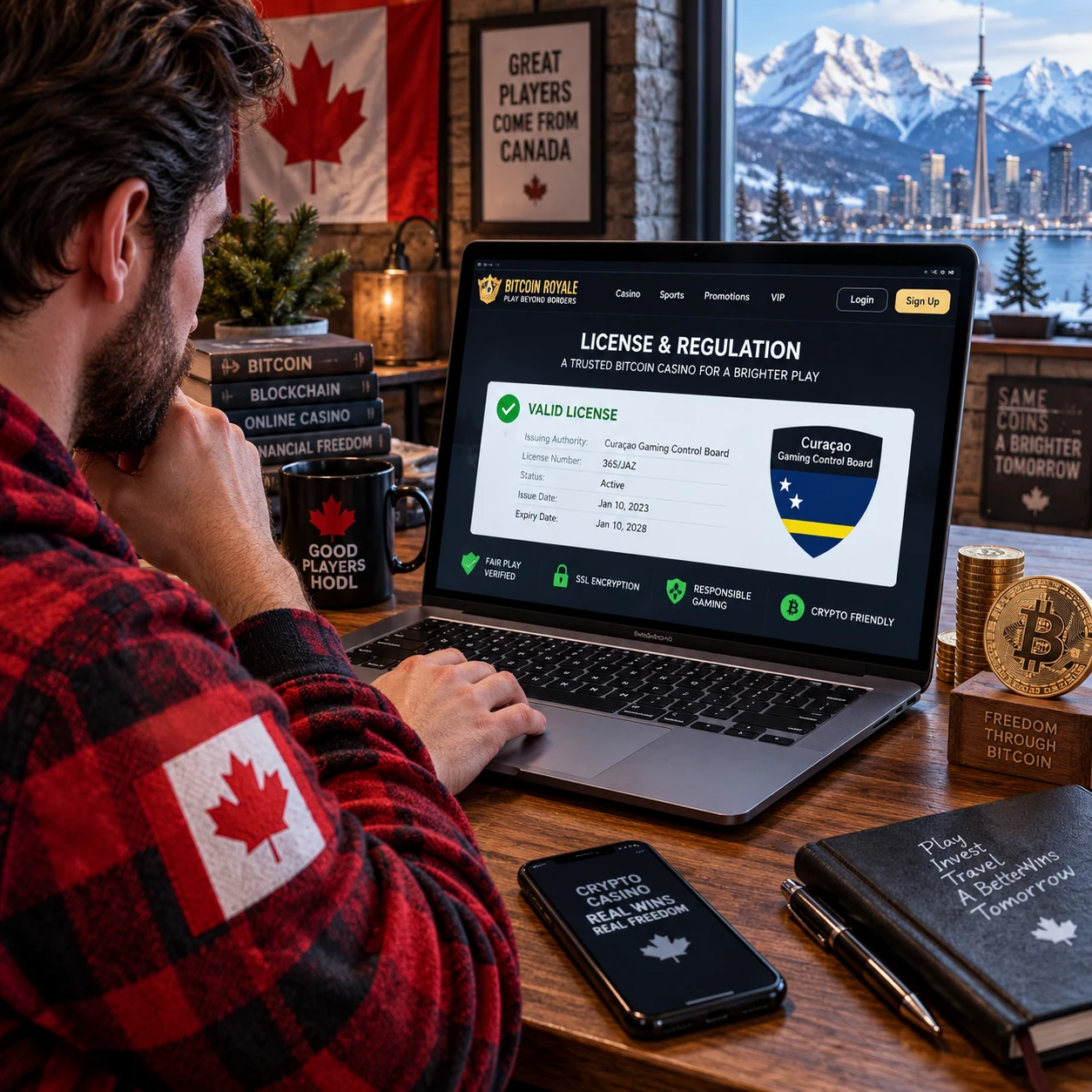
I've spent a good chunk of the past year digging through crypto gambling platforms, talking to other Canadian players, and honestly getting burned once or twice before I figured out what actually separates a legitimate Bitcoin casino from a flashy website waiting to disappear with your deposit. If you're reading this in 2026 wondering whether crypto gambling in Canada is even worth the hassle, I'll say this upfront: it absolutely can be, but only if you know what you're looking for before you fund an account.
What Makes a Bitcoin Casino 'Safe and Licensed' in 2026
A safe Bitcoin casino isn't just one with a slick interface and fast Bitcoin deposits. It's a platform that operates under real regulatory oversight, publishes verifiable fairness data, and treats Canadian players with the same transparency a traditional online casino would. Crypto adds an extra layer of complexity here — transactions are often irreversible, which means there's less room for error when choosing where to play. Unlike a credit card dispute, you can't easily claw back a Bitcoin deposit if a platform turns out to be a scam.
This is exactly why I tell people to slow down before signing up anywhere new. The anonymity that makes crypto appealing also makes it easier for shady operators to hide behind fake credentials. Doing your homework upfront saves you from a painful lesson later.
The Role of Licensing Bodies (Curaçao, MGA, Kahnawake)
Most Bitcoin casinos accepting Canadian players operate under one of a few licensing jurisdictions. Curaçao eGaming has historically been the most common, though its oversight has tightened considerably in recent years with the introduction of a centralized licensing authority. The Malta Gaming Authority (MGA) tends to apply stricter financial auditing and player protection standards, making it a stronger signal of legitimacy. Then there's the Kahnawake Gaming Commission, based right here in Canada on Mohawk Territory, which has licensed online gambling operators for over two decades.
Each license guarantees something different — Curaçao focuses on basic operational legality, MGA emphasizes consumer protection and dispute resolution, and Kahnawake brings a domestic regulatory presence that many Canadian players find reassuring. None of these licenses are perfect, but seeing one listed (and verifiable) is a baseline requirement, not a bonus feature.
Key Red Flags to Avoid When Choosing a Crypto Casino
I've learned to spot trouble fairly quickly now, and most of it comes down to a handful of recurring warning signs. If a casino doesn't display a license number anywhere, or the number doesn't match anything in the issuing authority's public registry, that's an immediate pause point for me.
- No visible or verifiable license number on the homepage or footer
- Anonymous ownership with no corporate registration details
- Bonus terms that promise absurd multipliers with vague wagering requirements
- Withdrawal policies buried in fine print or missing entirely
- No independent audit seals (eCOGRA, iTech Labs, or similar)
Unrealistic bonuses are probably the biggest trap for new crypto gamblers. A 500% welcome bonus sounds great until you realize the wagering requirement is 60x and withdrawals are capped at an amount lower than your original deposit.
Verifying Legitimacy — Tools, Resources, and Industry Oversight
Marketing copy will tell you everything's fine. Independent verification tells you the truth. Beyond checking license numbers directly with issuing bodies, I also look at how transparent a casino is about its payment processing partners and compliance practices. Canadian financial oversight has become increasingly relevant to crypto gambling platforms, especially as regulators pay closer attention to how digital currencies move across borders.
For players wanting to understand the broader professional and compliance landscape around financial oversight in Canada, resources like the bitcoin casino industry body offer useful context on what proper compliance standards look like for operators handling cryptocurrency transactions. It's not a casino review site, but understanding the professional expectations around financial compliance helps you recognize when a platform is cutting corners versus genuinely operating within acceptable standards.

Checking Provably Fair Algorithms
One of the clearest technical indicators of a trustworthy crypto casino is provably fair gaming. This system uses cryptographic hashing so players can independently verify that game outcomes weren't manipulated after the bet was placed. In practice, you'll see a hash generated before you play, and after the round, you can run that hash through a verification tool to confirm the result was predetermined fairly rather than altered in the casino's favor. If a platform claims to be 'provably fair' but offers no actual verification tool or explanation, treat that claim skeptically.
Step-by-Step Guide to Selecting Your Bitcoin Casino
Here's roughly the process I walk through every time I'm considering a new platform:
- Confirm the license number directly on the regulator's official website
- Read reviews from independent gambling forums, not just testimonials on the casino's own site
- Send a test question to customer support and gauge response time and clarity
- Check withdrawal limits and processing times listed in the terms, then compare them against user-reported experiences
- Start with a small deposit before committing larger amounts
That last step matters more than people realize. A small test withdrawal tells you more about a casino's real reliability than any amount of marketing ever will.
Evaluating Payment Security and Wallet Integration
Not all crypto wallet integrations are created equal. Reputable casinos typically use established payment processors with cold storage practices for the bulk of their crypto reserves, keeping only operational funds in hot wallets. Look for transparent transaction histories, clear confirmation times, and support for multiple cryptocurrencies beyond just Bitcoin. If a casino's wallet system feels opaque or transactions take unusually long without explanation, that's worth investigating further before depositing anything significant.
Best Practices for Safe Crypto Gambling as a Canadian Player
Managing your bankroll in crypto requires a slightly different mindset than fiat gambling because of price volatility. I always recommend setting deposit limits in a stable value you understand, rather than just 'a certain amount of Bitcoin,' since that amount's real-world worth can shift significantly in a short window.
- Enable two-factor authentication on every account where it's offered
- Set deposit and loss limits before you start playing, not after
- Use responsible gambling tools like self-exclusion or session timers if a platform offers them
- Keep records of all transactions for your own financial clarity
Legitimate platforms tend to make these tools easy to find. If a casino buries or omits responsible gambling features entirely, that absence speaks volumes.
Common Mistakes Canadian Players Make With Bitcoin Casinos
The most frequent mistake I see is skipping the terms and conditions entirely, especially around bonus wagering and withdrawal eligibility. Another common one is chasing losses using crypto specifically because its volatility creates a false sense that a quick price swing might cover a bad session. Lastly, funding accounts through unregulated or sketchy exchanges adds an extra layer of risk — if the exchange itself isn't trustworthy, you're compounding uncertainty on top of uncertainty.
FAQ — Bitcoin Casinos and Canadian Regulations
Is crypto gambling legal in Canada? Online gambling, including with cryptocurrency, exists in a regulatory gray area for most provinces outside of government-run platforms, though playing on licensed international sites is generally not prosecuted for individual players.
How are winnings taxed? For casual players, gambling winnings in Canada are typically not taxed, though professional gamblers may face different obligations. Always consult a tax professional for your specific situation.
What happens if a casino is unlicensed? You have essentially no recourse for disputes, withdrawal issues, or unfair treatment, which is exactly why verifying licensing before depositing is non-negotiable.
Choosing a safe, licensed Bitcoin casino in 2026 really comes down to patience and verification. Take the extra ten minutes to check a license number, read independent reviews, and test customer support before you commit real crypto. That small upfront effort is the difference between a smooth, enjoyable experience and a frustrating lesson learned the hard way.